

Achieving measurable ROI on TikTok
Case study of MCM's TikTok performance campaign achieving 14:1 ROAS through strategic audience targeting (prospect, retargeting, lookalike), balanced content mix from creators and brand, conversion-focused KPI tracking, and patient optimization approach. Emphasizes practical execution over theoretical frameworks.
January 22, 2026

TikTok has evolved from viral entertainment platform to serious sales channel, but ROI remains elusive for brands treating it like traditional advertising. Together with our client MCM, we achieved remarkable results – 14:1 ROAS and 1,405 purchases – demonstrating what’s possible when strategy matches platform dynamics.
Understanding TikTok’s conversion mechanism
TikTok’s algorithm rewards content that holds attention and drives interaction, creating unique opportunities for brands willing to adapt their approach. Our work with MCM centered on building seamless shopping experiences that felt native to the platform while maintaining clear purchase intent.
The key was balancing TikTok’s entertainment-first environment with structured conversion strategy. This required understanding both how users discover content organically and how to guide them toward purchase without disrupting their experience.
Strategic foundations for performance
MCM’s challenge was transforming TikTok’s creative-first environment into measurable business outcomes. Success came from three core elements:
Audience precision matters: For luxury fashion brands in competitive markets like the US, reaching the right users is critical. Our targeting strategy combined prospect audiences (users with relevant interests in lux
ury fashion), retargeting (re-engaging customers who had shown interest), and lookalike audiences (finding new users with similar shopping behaviors). Budget allocation remained flexible, shifting toward high-performing audience segments as data revealed what worked.
Content diversity drives results: Monthly creative refreshes balanced two content approaches – native creator content (fit checks, everyday styling) and brand-focused content highlighting product features and USPs. The best performers came from both pools, proving that neither organic-style nor polished brand content wins by default. Success came from testing and letting performance data guide the mix.
Conversion-focused measurement: Rather than optimizing for engagement metrics, we tracked conversion KPIs through TikTok Pixel implemented on MCM’s webstore – page views, content views, add-to-cart actions, and purchases. This conversion-first measurement approach kept optimization efforts aligned with business outcomes rather than vanity metrics.
Why patience and precision matter
Scaling performance for luxury products requires observation and consistency. We learned that gathering sufficient purchase data before making strategic shifts was essential – too many changes too quickly confused the algorithm’s learning process. This meant resisting the urge to constantly adjust and instead allowing campaigns time to optimize.
Budget efficiency came from smart content sourcing. Rather than producing endless new assets, we recycled high-performing organic content and repurposed top performers from other channels. This zero-additional-cost approach to content proved that strategic reuse beats expensive production volume.
Why specialized expertise matters
TikTok’s conversion potential is clear, but success requires adapting strategy to platform realities. MCM’s results demonstrate what’s achievable when precise audience targeting, diverse creative approaches, and conversion-focused measurement work together – with the discipline to let data guide decisions rather than assumptions.
Get the full case study here.
Latest News ☕
Paola Nannelli named CEO of Pulse Advertising
January 21, 2026
Paola Nannelli becomes CEO of Pulse Advertising as of January 2026, succeeding founders Ch...

ChatGPT’s instant checkout transforms conversational AI into social commerce infrastructure
January 20, 2026
ChatGPT's instant checkout validates conversational commerce, but creator trust and strate...
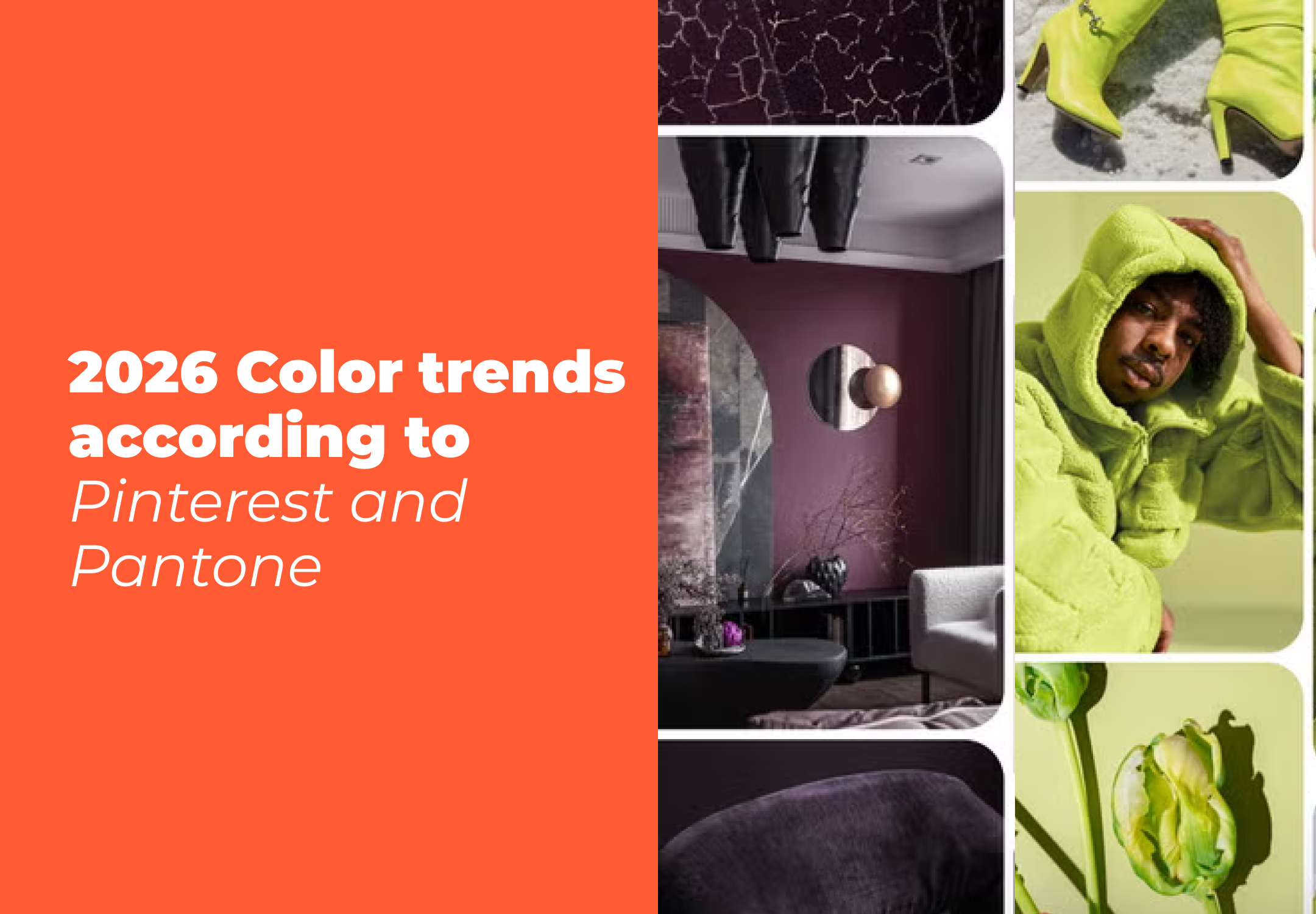
Why 2026’s color trends signal a strategic shift for brand marketing
January 17, 2026
Pinterest's 2026 Palette, released January 2026, identifies five trending colors based on ...