
Guerrilla marketing: Tactics that work in 2026
How does an indie period drama break presale records and dominate cultural conversation against franchise blockbusters? Learn the unconventional Guerrilla Marketing tactics that transformed zero-cost social media moves and self-aware stunts into massive viral buzz.
December 23, 2025
Guerrilla marketing uses unconventional, low-cost tactics to generate buzz through creativity rather than advertising spend. Jay Conrad Levinson coined the term in 1984, drawing from guerrilla warfare where small groups use surprise and resourcefulness to compete against larger forces.
What is Guerrilla Marketing?
Guerrilla marketing uses unconventional, low-cost tactics to generate buzz through creativity rather than advertising spend. Jay Conrad Levinson coined the term in 1984, drawing from guerrilla warfare tactics where small groups use surprise and resourcefulness to compete against larger forces.
This marketing approach prioritizes surprise, creativity, and strategic placement over expensive media buys. Guerrilla campaigns create memorable experiences that audiences actively want to share, transforming marketing from interruption into entertainment.
Key characteristics include:
- Unconventional tactics in unexpected locations
- Low budget with high emotional impact
- Viral word-of-mouth potential
- Public activations where audiences gather
- Shareable moments for organic spread
- Element of surprise capturing immediate attention
Best Guerrilla Marketing examples
The Blair Witch Project (1999)
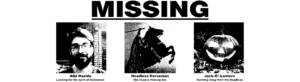
The Blair Witch Project created a website claiming events were real, distributed “missing person” flyers with actors’ faces, and registered actors on IMDb as “missing, presumed dead.” This reality-fiction blur sparked genuine debates about authenticity. With a $60,000 budget, the campaign generated $248 million globally.
Digital Guerrilla Marketing: Billie Eilish’s Instagram stunt
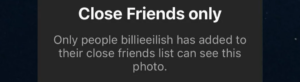
In 2024, Billie Eilish added all her Instagram followers to her Close Friends list for her Hit Me Hard and Soft album launch. She created mass exclusivity – every follower felt part of something intimate, receiving behind-the-scenes glimpses that felt personal rather than promotional. The campaign cost nothing but generated substantial buzz by subverting Instagram’s platform mechanics and exploiting the psychology of exclusive access at scale.
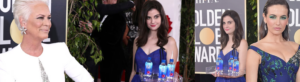
Fiji with “Fiji Girl” at the Golden Globes
At the 2019 Golden Globes, a model strategically positioned herself in the background of celebrity photos while holding Fiji Water. The images went viral, turning the water brand into an overnight sensation. The question: What’s more efficient being the moment or buying the moment?
The most recent phenomennon: Marty Supreme
A24 and Timothée Chalamet’s campaign for Marty Supreme demonstrates layered modern Guerrilla Marketing strategies. The period ping-pong drama faced stiff competition against franchise blockbusters during Christmas 2025.
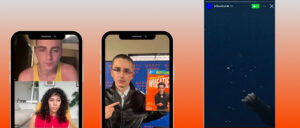
The campaign centered on an 18-minute “leaked” video showing Chalamet pitching absurd promotional ideas to A24’s marketing team: painting the Statue of Liberty orange and turning “Marty Supreme. Christmas Day” into an inescapable refrain. Chalamet scripted the video himself, declaring: “Movie marketing is trying to be passive; trying to be chic. We’re not trying to be chic.”
Then A24 actually executed several ideas from the video. A 135-foot bright orange blimp flew across American cities with only “Marty Supreme” and “Dream Big” written on it, forcing curious onlookers to search for answers. A $250 windbreaker designed with Nahmias went viral after Chalamet gifted them to Tom Brady, Misty Copeland, and Bill Nye.
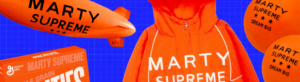
The stunts escalated. An Instagram post announced a surprise pop-up in East Hollywood that drew crowds so large the LAPD was called. Chalamet summoned New Yorkers to Times Square accompanied by people wearing giant orange ping-pong ball helmets. The Empire State Building glowed orange while the Las Vegas Sphere displayed campaign imagery.
Presales broke A24 records with 65+ sellouts and 70% of tickets sold before wide release. The limited opening generated $875,000 from six theaters, making a per-screen average of $145,933, the highest of 2025 with A24 redefining entertainment marketing.
Why Guerrilla Marketing works
Self-awareness builds trust: Modern consumers recognize promotional tactics. Acknowledging marketing’s transactional nature creates authentic engagement rather than resistance.
Platform-native creativity: Subverting platform mechanics creates authenticity. Billie Eilish used Close Friends unexpectedly. The Zoom video mimicked leaked content.
Create shareable moments: Every campaign element gave audiences something to discuss. The blimp sparked searches. The windbreaker became fashion news. People share experiences, not advertisements.
Mystery drives engagement: The Blair Witch Project thrived on ambiguity. The Marty Supreme blimp offered no explanation. When audiences seek information themselves, they become active participants.
Coherent strategy: The Marty Supreme campaign deployed dozens of tactics but maintained unified vision through consistent orange branding and messaging. Successful guerrilla marketing coordinates orchestrated moments.
The future of Guerrilla Marketing
Traditional advertising competes with TikTok, gaming, and endless streaming. Successful campaigns create moments people choose to engage with rather than interrupting them. Audiences want moments, not messages. Creativity compounds in ways spending cannot.
Stop trying to reach audiences. Create something audiences reach for instead. Make marketing so surprising or genuinely interesting that people share it because they want to be part of the conversation. In the attention economy, a giant orange blimp with no explanation achieves what million-dollar TV campaigns cannot.
FAQ for Guerrilla Marketing
What is Guerrilla Marketing? Guerrilla Marketing is an unconventional, low-cost marketing strategy that uses surprise, creativity, and strategic placement to generate buzz and viral word-of-mouth promotion. The term was coined by Jay Conrad Levinson in 1984.
What are the main types of Guerrilla Marketing? The main types include ambient marketing (altering public spaces), experiential marketing (interactive experiences), ambush marketing (leveraging events without sponsorship), viral marketing (shareable digital content), and street marketing (outdoor public activations).
How much does Guerrilla Marketing cost? Guerrilla Marketing campaigns can range from essentially free (like Billie Eilish’s Instagram strategy) to moderate budgets (like A24’s Marty Supreme campaign). The focus is on maximizing creative impact rather than media spend, making it accessible for businesses of all sizes.
Is Guerrilla Marketing legal? Most guerrilla marketing tactics are legal, but it’s essential to check local regulations before executing campaigns in public spaces. Obtain necessary permissions, avoid property damage, and ensure your tactics don’t mislead consumers or violate advertising standards.
What makes a successful Guerrilla Marketing campaign? Successful campaigns combine surprise elements, authentic brand alignment, shareability, emotional connection, and strategic timing. They create moments people want to discuss rather than interrupting them with traditional ads.
Can small businesses use Guerrilla Marketing? Absolutely. Guerrilla Marketing was originally designed for small businesses to compete with larger competitors. Low-cost tactics like creative street art, social media stunts, and experiential pop-ups are highly effective for local businesses with limited budgets.
Latest News ☕
The evolution of social media: How early platforms shaped today’s digital landscape
February 28, 2026
Tumblr walked so Pinterest could run - and so did more platforms. We identified the early ...
Which paid amplification strategy actually works in 2026?
February 26, 2026
Influencer whitelisting and TikTok Spark Ads both transform creator content into paid adv...
When user-generated content stops feeling authentic – and what to do instead
February 21, 2026
The polished "casual" aesthetic of branded user-generated content has become so ubiquitous...