

The TikTok US deal just closed: Everything brands need to know
TikTok's US operations are now majority American-owned after years of regulatory drama. The algorithm is being retrained on US data – and brands need to prepare for what comes next.
January 23, 2026

The TikTok saga is finally over. On January 22, 2026, the platform officially closed its deal to spin off US operations, ending years of uncertainty for the app’s 200 million American users. Here’s what happened and what it means for brands.
The deal structure
TikTok’s US operations are now controlled by a new joint venture with American majority ownership. Oracle, Silver Lake, and MGX own 50% collectively, existing ByteDance investors hold approximately 30%, and ByteDance retains 19.9%. Adam Presser, TikTok’s former head of operations and trust and safety, leads the new US entity as CEO.
The deal satisfies the 2024 law requiring ByteDance to reduce its ownership below 20% or face a nationwide ban. President Trump extended the deadline multiple times before both the US and Chinese governments approved the final structure.
What’s changing (and what isn’t)
For users, TikTok will look and feel the same – at least initially. The app isn’t going anywhere, and creators can still reach global audiences. However, significant behind-the-scenes changes are underway.
The US entity will retrain TikTok’s algorithm using American user data, with Oracle overseeing security and code validation. While the platform promises “interoperability” with the global version, the recommendation system powering US feeds will increasingly operate independently. Oracle will also handle all US user data storage.
ByteDance retains control of e-commerce, advertising, and marketing operations, meaning the business infrastructure remains largely unchanged. The deal also covers CapCut and Lemon8 under the same joint venture structure.
Algorithm uncertainty ahead?
The algorithm retraining process creates the biggest question mark for marketers. Content strategies optimized for TikTok’s current system may perform differently as the platform adapts to US-specific data patterns. Brands should expect potential fluctuations in reach, engagement, and trending content formats during this transition.
Some members of Congress are already questioning whether the deal adequately separates ByteDance from US operations, particularly around algorithm licensing. House Select Committee Chairman John Moolenaar indicated upcoming hearings will examine whether the structure truly protects against Chinese government influence and secures American data.
What brands should do now
First, don’t panic. TikTok isn’t disappearing, and your existing content strategy doesn’t need an immediate overhaul. However, three tactical moves make sense:
Monitor performance metrics closely over the coming months. Watch for changes in content reach, engagement patterns, and ad performance as the algorithm retrains. Early detection of shifts gives you time to adapt.
Accelerate platform diversification. The deal proves that even apps with massive user bases can face structural upheaval. YouTube Shorts, Instagram Reels, and emerging platforms deserve dedicated strategies, not just repurposed TikTok content.
Maintain creator relationships across platforms. As TikTok’s algorithm evolves, creator performance may fluctuate. Partnerships that span multiple channels provide stability when individual platforms undergo transitions.
The bigger picture
The TikTok deal demonstrates that platform stability is temporary. Apps can face ownership changes, algorithm overhauls, and regulatory pressure regardless of their popularity. Brands that built social strategies around a single platform now understand the risk of that approach.
For social media agencies, this moment validates the value of specialized platform expertise. Understanding how ownership structures, algorithm changes, and regulatory frameworks impact brand performance separates agencies who provide strategic guidance from those who simply post content.
The TikTok drama is over, but the lesson remains: Successful social media marketing requires partners who navigate platform evolution, not just execute within static channels.
Latest News ☕

Achieving measurable ROI on TikTok
January 22, 2026
Case study of MCM's TikTok performance campaign achieving 14:1 ROAS through strategic audi...

Paola Nannelli named CEO of Pulse Advertising
January 21, 2026
Paola Nannelli becomes CEO of Pulse Advertising as of January 2026, succeeding founders Ch...
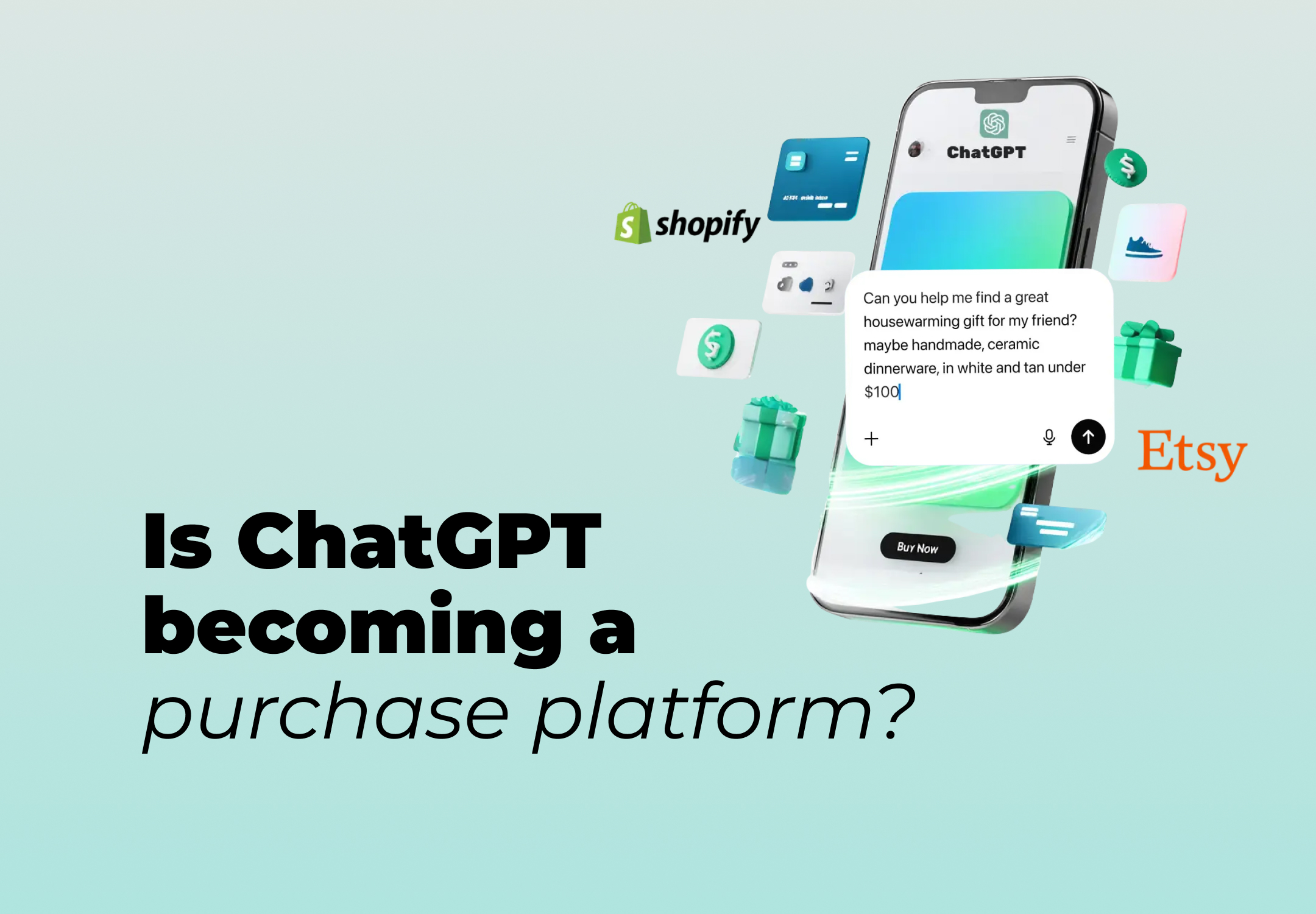
ChatGPT’s instant checkout transforms conversational AI into social commerce infrastructure
January 20, 2026
ChatGPT's instant checkout validates conversational commerce, but creator trust and strate...